
Essential England: 10 Things Every Foreigner Must Know Before Visiting


Essential England: 10 Things Every Foreigner Must Know Before Visiting: A Complete Guide
A journey to England is much like entering a tale straight out of a book, where one finds old castles standing alongside contemporary high-rise buildings made of glass, and old pubs nestled next to modern coffee shops. For the uninitiated, navigating the cultural nuances, modes of transportation, and unwritten codes of conduct in England may seem rather challenging. There are certain things to know before visiting England, and there are many aspects of life in England that are often overlooked but are crucial knowledge to have.
Mastering Public Transport and Local Connections
It comes as no surprise to foreigners that while England’s public transport system is vast, it might not always be connected. London has its own Underground (the Tube), but when moving around towns such as Hemel Hempstead, you would use a combination of trains, buses, and other transport methods. One thing worth mentioning is that Taxis In Hemel Hempstead can easily help you move around this old market town because even if you don’t know how to drive on the left side of the road, you could visit attractions like The Marlowes shopping center and Grand Union Canal. Contrary to London’s traditional black cabs, one cannot hail these cabs; they require a reservation or a call in advance. Always make sure that the cab driver uses either a meter or charges a fixed price upon entering the cab.
The Unwritten Rules of Queuing
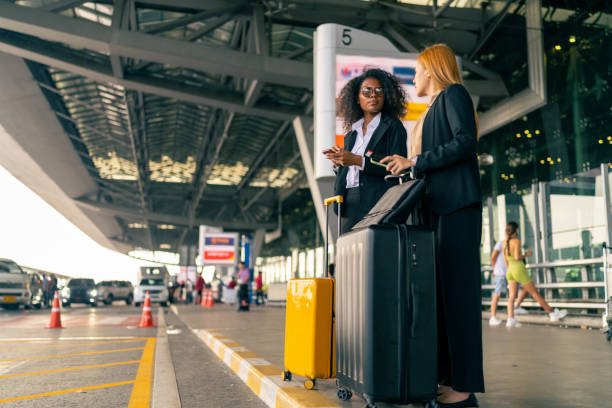
Take nothing for granted regarding the importance of queuing in England. Be it buses, fish and chips, or museums, jumping the line is considered very rude indeed. Jokingly it is said that one might queue up for hours just to be part of yet another queue, and it’s true! Queue patiently, keep your distance from the person before you and do not even think about cutting in as you may get sighs or comments back. Don’t know where the queue begins? Just ask politely, “This the end of the line?”
Weather: Expect the Unexpected
The weather in England is notoriously hard to predict. In an afternoon, you may be enjoying sunny weather one moment and rain, wind, or hail the next. The key to surviving is always to have a light raincoat or a small umbrella handy at all times. Big golf umbrellas will generally not make appearances in a busy city; however, in smaller towns, anything goes. Also, understand the meaning behind such sayings as “It’s a bit fresh,” which means cold, and “It’s close,” which is warm and humid. But don’t think that it’s “hot” at 20°C!
Tipping Culture: Not as Aggressive as the US
Tipping practices in the United Kingdom differ from those in the US. You are not required to leave tips if you order drinks from the counter in pubs. However, in restaurants, there may already be a 10-12.5% service charge added to your check – always ask if the service charge has been added before considering an additional one. If no service charge has been added, then leaving 10% if the service was good is the general practice but is not necessary. A tip in a taxi should generally consist of rounding up to the nearest whole amount; however, if you forget, nobody will chase after you. An exception is a hired taxi for getting to London’s Airports from Hemel Hempstead.
Pub Etiquette: Order at the Bar
The biggest culture shock you will experience is that in a traditional English pub, you don’t wait to get seated. Rather, you approach the counter, look straight into the eyes of the bartender (who will acknowledge you based on a queue), and place your order. Avoid waving cash or shouting, patience pays off in such places. Also, remember to avoid ordering any drinks with names like the “Irish Car Bomb,” or something like that, because it’s a form of offense. If a pub is very dimly lit with no music playing, chances are high that it is a “locals pub,” but no need to worry since smiling and saying “Cheers” (meaning thanks) will suffice.
Driving on the Left and Roundabout Rules
In case you are renting a car, remember that driving on the left side of the road is a must. Foreigners find it difficult to maneuver roundabouts, which are common throughout the country. Just keep in mind that you should give way to traffic that approaches from your right-hand side. In complicated multilane roundabouts, always drive according to arrows marked on the road. The speed limit is given in miles per hour (mph) and not kilometers. Last but not least, using a mobile phone while driving incurs huge penalties.
Also raed: Architectural Contrast: Why English Cities Often Feel Harsh While Scottish and Welsh Cities Charm
Vocabulary Differences: Avoid Embarrassing Mistakes
It may seem amusing, but the differences between the English and American English are quite peculiar. While in England the term “pants” refers to underwear rather than trousers, “boot” refers to the trunk of a car, whereas “bonnet” is the hood. If you want to buy French fries, you will have to use the word “chips”, and if you mean the bag of potato chips, then you should say “crisps”. By “lift”, they mean an elevator, and “toilet” means bathroom. Moreover, “quite good” might be translated into mediocre, and “not bad” is a compliment.
Pubs, Closures, and Sunday Roasts
A lot of tourists get surprised when finding out that bars and stores operate earlier than expected, especially on Sundays. The opening hours may be even shorter in small towns, where some cafes might be closed as early as 8 PM on a Sunday, while supermarkets only work from 10 AM until 4 PM. Take into account how you will feed yourself during the day. Besides, do not forget to try an English Sunday roast before leaving England – a roasted platter consisting of meat, potatoes, Yorkshire pudding, vegetables, and gravy which is served in most pubs every Sunday.
Money, Contactless, and Emergency Numbers
Money is not common currency in England, with nearly everything accepting contactless credit/debit card transactions and Apple/Google Pay. But just in case, it’s always best to have a little cash handy (about £20-30). The emergency contact number is 999 (not 911). In case of less pressing police business, dial 101. And remember one important thing: never tip police officers or emergency personnel—it’s considered bribery. When it comes to health care, travelers from some other countries may need to pay for NHS services unless they have an agreement in place.
Politeness Is a National Sport
Lastly, remember that English politeness serves as a kind of social protection. The expression “sorry” is applied to all situations, whether one has bumped into another, stepped in front of him/her accidentally, or even when another person has bumped into you. “Please,” “thank you,” and “excuse me” are mandatory. Should one need to address a stranger, begin with “Excuse me, sorry to disturb you…” Avoid talking loudly in public transport and queues. Above all, avoid comments about anyone’s class or regional background unless one knows the person well. Being a small country with deep regional pride, from Yorkshire to Cornwall, one should exercise humility.
In conclusion, it should be said that England appreciates attentive tourists. By following its peculiarities such as queueing and pub behavior, one will discover how friendly, humorous, and considerate English people can be. Therefore, grab an umbrella, get acquainted with your “cheers” and “ta,” and embrace every rainy moment.




Responses