
Will 2026 Be the Year of Personalised Travel?

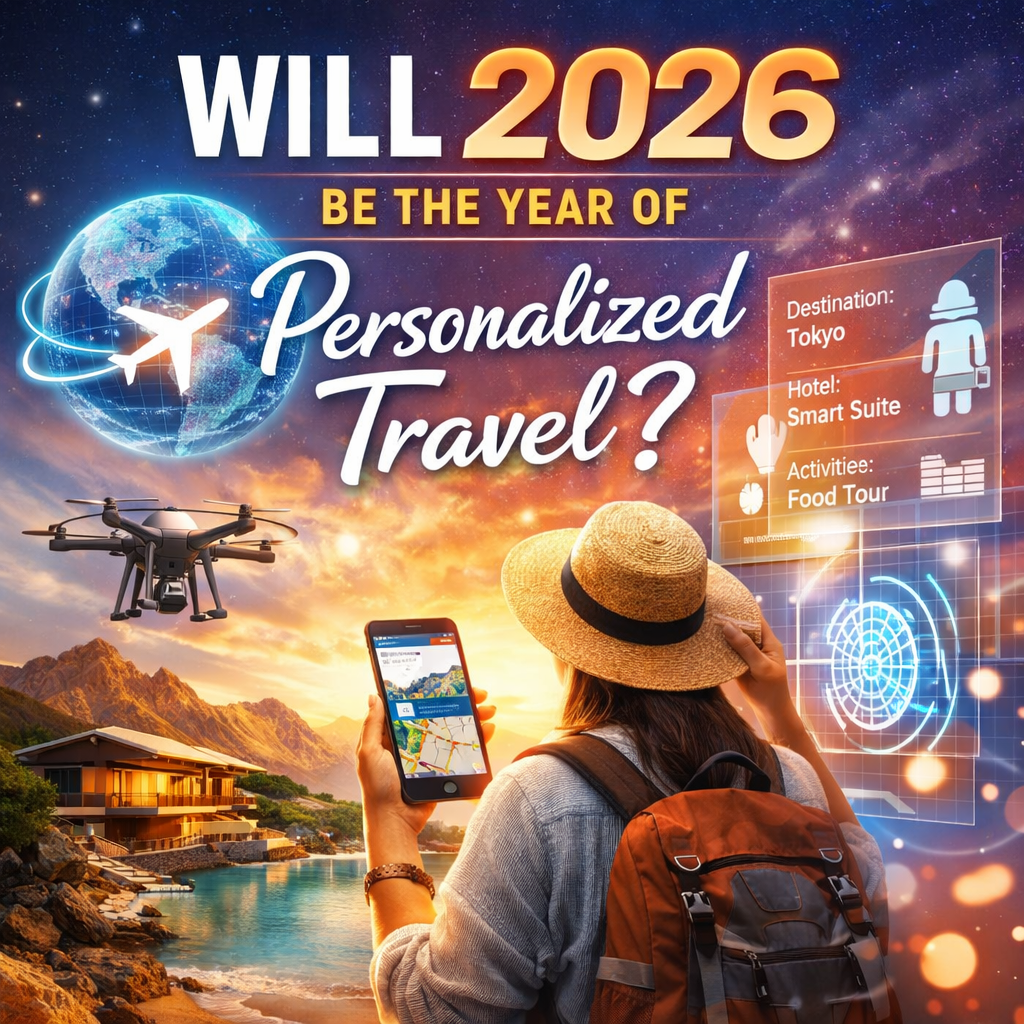
Will 2026 Be the Year of Personalised Travel? A Complete Guide
I first noticed it on a quiet train ride somewhere between cities I’d already blurred together. I wasn’t looking at a guidebook or a “top ten” list. I was reading a message from a local I’d met two days earlier, telling me to skip the famous viewpoint and go to a bakery instead. “Go at nine,” they wrote. “Before the school run.”
That bakery never appears on Instagram. It was perfect.
For years, travel has pushed us towards the same places, the same angles, and the same experiences, repackaged endlessly. You could land in a new country and still feel like you’d been there before. But something has shifted, slowly and unevenly, and by 2026 it may finally feel obvious.
Personalised travel isn’t about luxury or algorithms. It’s about intent.
The quiet backlash against sameness
People are tired of travelling in crowds without meaning to. Of queueing for photos they don’t really want. Of coming home with memories that feel oddly interchangeable.
I’ve felt it myself — that low-level disappointment when a place doesn’t live up to the version you were sold, because it was never meant for you in the first place. It was meant for everyone.
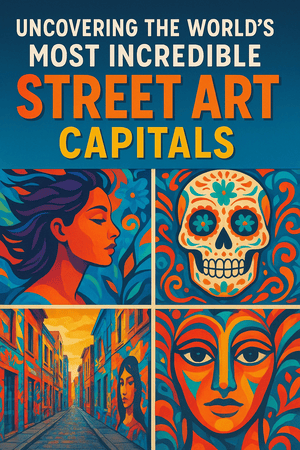
Must Read: Uncovering the World’s Most Incredible Street Art Capitals.
What’s changing is how people plan. Fewer rigid itineraries. More listening. More asking questions that don’t start with “What should I see?” and instead sound like “What do people here actually do?”
That shift changes everything.
Personalised doesn’t mean planned to death
There’s a misconception that personalised travel means hyper-optimised schedules and predictive tech mapping your every move. In reality, it’s often the opposite.
It’s choosing one neighbourhood instead of five. Travelling in shoulder season because the weather suits you better. Booking a smaller place because you value quiet mornings. Saying no to things you “should” see because they don’t fit how you like to move through the world.
I’ve started planning trips around how I want to feel rather than what I want to tick off. Energised, rested, curious. That one decision reshapes transport choices, accommodation, and even flight times.
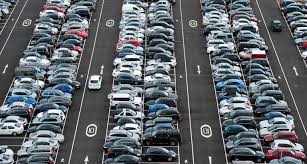
Even the unglamorous logistics matter. I’ve learned that if I want to start a trip calmly, I need to plan the boring bits properly — things like long stay parking Gatwick for early departures, or sorting cheap airport parking deals ahead of time so I’m not starting a journey already annoyed. Personalisation starts earlier than people think.
Technology is catching up to human behaviour
The tools are better now, yes. Maps that remember where you linger. Apps that learn what you ignore. Recommendations shaped less by popularity and more by patterns.
But the most interesting change isn’t technical. It’s behavioural.
Travellers are more confident in rejecting default choices. We’ve learned that “best” is subjective. The best beach might be the one with shade and a quiet café, not the one with the most hashtags. The best city break might involve staying put rather than racing across town.
By 2026, more people will be comfortable saying, “This trip isn’t for everyone. It’s for me.”
Cost, control, and conscious trade-offs
Personalised travel also changes how people spend money.
Instead of splurging across everything, travellers are prioritising. Better accommodation, fewer meals out. Slower routes, longer stays. Paying more for comfort in one area so they can save in another.
I’ve noticed that when people feel in control of their choices, they’re less resentful of costs. You don’t mind paying for what you value. It’s the wasted spend that stings.
That mindset feeds into sustainability too, without making it a performance. Staying longer. Flying less frequently. Supporting places that feel aligned with how you want to travel, not how you’re told to.
The return of trust — in yourself
Perhaps the most underrated part of personalised travel is confidence.
When you stop outsourcing every decision to lists and rankings, you start trusting your own judgement again. You get better at reading places. Knowing when to leave. At recognising when something isn’t working and changing course without guilt.
Also Read: 10 Beer Festivals That Aren’t Oktoberfest.
I’ve had trips that looked unremarkable on paper but felt deeply right because they matched my pace, my interests, my tolerance for noise and crowds. I’ve also had “dream trips” that felt wrong from day one because I ignored those signals.
By 2026, more people will be travelling with that awareness.
Not a trend — a correction
Personalised travel isn’t a new invention. It’s how people travelled before mass tourism flattened everything into packages. What’s happening now feels less like a trend and more like a correction.
We’re rediscovering that travel works best when it bends to the traveller, not the other way round.
That bakery visit. That unplanned afternoon. That decision to stay one more night is because it feels right.
If 2026 becomes the year this way of travelling finally feels normal, it won’t be because of technology or marketing. It’ll be because enough people realised that the best trips don’t try to please everyone.
They only have to make sense to the person taking them.


Responses