
Navigating the Opposite Side: An American’s Guide to Driving in the UK

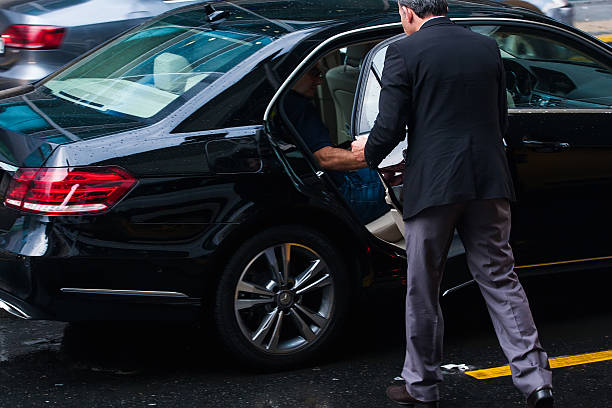
Navigating the Opposite Side: An American’s Guide to Driving in the UK: A Complete Guide
For many folks in the U.S., the idea of embarking on a classic British road trip—cruising through the picturesque Cotswolds, wandering the stunning Scottish highlands, or weaving through the lively streets of London—is a dream come true. But let’s be real: actually getting behind the wheel in the UK can be a bit of a shock and might feel pretty overwhelming at first. Transitioning from the spacious, right-hand lanes of the U.S. to the UK’s winding roads is quite the adjustment. This guide is here to help you navigate the essential differences, tackle the challenges, and discover the unexpected delights of driving as an American in Britain.
The Initial Shock: Flipping Your Driving Perspective
The most striking and immediate change you’ll notice is driving on the left side of the road. For Americans, this isn’t just about switching lanes; it’s like having to rewire some deep-seated instincts. Your brain has to adjust to the fact that the driver’s seat is on the right, you shift gears with your left hand, and roundabouts move in a clockwise direction. The first few hours feel like a mental workout: “Keep left, look right.” Those pavement markings that say “LOOK RIGHT” at crossings are truly lifesavers. This shift impacts everything, from how you enter a roundabout (remember, yield to the right) to the simple act of turning, where you have to be extra careful not to drift into the wrong lane.
Mastering the Urban Maze and Rural Roads
Driving in a UK city is all about being aware of your surroundings. The streets are often narrow, winding, and have been around for centuries, with parked cars lining the sides. You’ll find that the classic British queue forms naturally in heavy traffic, so patience is key. In places like Hemel Hempstead, you’ll need to be extra careful when navigating one-way streets and bustling high streets, especially with all the pedestrian crossings popping up. If the idea of driving in the city feels a bit daunting, don’t forget that public transport and local services like Taxis In Hemel Hempstead can be a great, stress-free option for shorter journeys, letting you enjoy the town without the hassle of finding parking.
The Art of the Roundabout: From Mini to Magic
If you’re in the U.S., you might have encountered a few traffic circles, but let me tell you, the roundabout scene in the UK is something else entirely. They range from small “mini-roundabouts” (which are often just a painted circle on the road) to the impressive, multi-lane “magic roundabouts” (like the well-known one in Swindon). These roundabouts are essential for keeping British traffic flowing smoothly. The main rule to remember? Yield to the traffic coming from your right. When you’re about to take an exit before noon on the roundabout, signal left; if you’re exiting after noon, signal right. Being confident and decisive is crucial—hesitating can lead to confusion for everyone. So, don’t shy away from the roundabout; once you get the hang of it, you’ll see it’s actually a pretty efficient way to manage traffic!
Speed Limits, Signs, and Measurements: Cracking the Code
UK road signs are mostly made up of pictures, using fewer words compared to those in the U.S. Thankfully, speed limits are measured in mph, and they’re usually shown on a circular sign featuring a black number against a white background. The national speed limit sign, which is a white circle with a black diagonal stripe, indicates 60 mph on single carriageways and 70 mph on dual carriageways and motorways. Distances are measured in miles and yards, while fuel is sold in litres—definitely a bit of a mix-up for those used to the American system. And just a heads up, “Yield” signs are known as “Give Way,” and “Gas” stations go by “Petrol” stations over here.
Parking Perplexities and Pedestrian Priority
Parking can feel like a bit of a maze sometimes. Keep an eye out for those colour-coded lines: a single yellow line usually indicates restrictions during specific hours, while double yellow lines mean no waiting at any time. Red lines? Those are for areas where stopping is a strict no-no, especially in busy city spots. Always take a moment to check the nearby signs carefully. Plus, British drivers tend to be quite polite to pedestrians, particularly at “zebra crossings”—you know, those black and white striped areas with orange flashing beacons. Remember, as soon as a pedestrian steps onto one, they have the right of way!
The Motorway Experience: M-Roads vs. Interstates
UK motorways, which start with an ‘M’, are quite similar to U.S. interstates, but they tend to be a bit more congested. The left lane is meant for driving, while the middle and right lanes are reserved for overtaking—staying in the middle lane can actually get you a ticket! You’ll find service stations along the way, but be prepared; they can be pricey. If you’re embarking on a longer journey that kicks off on the motorway, like catching an early flight, it’s really important to plan your first leg carefully. Booking a dependable Airport Taxi Hemel Hempstead service can make your transfer to major airports like Heathrow or Luton a breeze, allowing you to start your road trip feeling refreshed after your flight instead of worn out from the drive to the airport.
Embracing the Adventure: Why It’s Worth It
Driving in the UK can feel a bit nerve-wracking at first, but once you get the hang of it, it’s incredibly rewarding. You’ll find yourself free to explore charming little villages, breathtaking coastal routes, and beautiful countryside that you just can’t reach by public transport. The challenges of navigating the roads become part of the adventure and the stories you’ll tell later. Plus, you’ll come to admire the skill of British drivers and the clever, albeit sometimes tight, layout of their road system.
Final Checklist for the American Driver in Britain
- Documentation: Make sure you have a valid U.S. driver’s license. While an International Driving Permit (IDP) is often suggested as a helpful translation tool, it’s not always a legal requirement for short-term visitors.
- Insurance: Double-check your rental insurance coverage. You might want to look into excess insurance from a third party for better value.
- Car Choice: Go for a smaller vehicle. It’ll make navigating those narrow lanes and parking a whole lot easier.
- Satellite Navigation: Rely on a trustworthy GPS, but if you’re feeling anxious, set it to “avoid narrow roads.” Always keep a general idea of where you’re headed.
- Mindset: Stay relaxed, take your time, and don’t hesitate to pull over in a safe spot to get your bearings. Most British drivers are pretty understanding.
Driving in the UK as an American is truly a rite of passage. It’s a mix of intense focus and awe-inspiring exploration. By getting ready for the differences, respecting the local rules, and embracing the unique rhythm of British roads, you’ll discover the real freedom and joy of exploring Great Britain on your own terms. So take a deep breath, remember to look to the right, and savor every moment of the journey.



Responses