
Living in Hertfordshire: The Charm and The Challenges of the Home County

Living in Hertfordshire: The Charm and The Challenges of the Home County: A Complete Guide
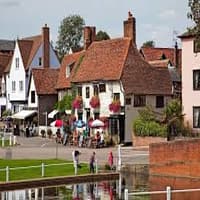
Hertfordshire frequently ranks as one of the most sought-after places to live in the UK. Known as the “Home County” because of its close proximity to London, it offers a delightful mix of rolling hills, charming market towns, and easy access for commuters. For anyone thinking about relocating, the appeal of picturesque villages with cozy pubs and cities steeped in Roman history is hard to resist. Yet, while the county is known for its fantastic quality of life, it’s important to look beyond the beautiful high streets to get the complete picture. From the moment you arrive, the convenience of local services stands out—whether you’re moving into a new home or just visiting, you’ll find that Taxis Hemel are always on hand to help you navigate the town’s expansive neighborhoods and connect you to the rest of the county. But what’s it really like to settle down here?
The Allure: Green Spaces and Great Connections
Hertfordshire has a solid reputation for being a fantastic place for families, and it’s easy to see why. The county is surprisingly lush, with vast areas protected as Green Belt, keeping it safe from overdevelopment. Residents enjoy access to beautiful open spaces like the Chiltern Hills, Verulamium Park, and a variety of nature reserves, offering a peaceful escape just twenty miles from the hustle and bustle of central London.
For families, the education system is a huge attraction. The area is dotted with schools rated “outstanding,” from primary all the way to prestigious secondary institutions, making it a top choice for parents eager to give their kids a great start. Towns like Hitchin, Harpenden, and Berkhamsted buzz with life, featuring independent shops and quick train connections, often described as providing a taste of London without the frantic pace of the capital.
When it comes to connectivity, the county really shines. With several railway lines offering quick access to London Kings Cross, St Pancras, and Liverpool Street, it’s a commuter’s paradise. Plus, with major airports nearby, international travel is surprisingly easy.
The Hidden Costs of Commuter Life
While the dream of living in Hertfordshire sounds appealing, it comes with some hefty financial and practical challenges that many people only realize after making the move. The first major hurdle is the housing market. Property prices here are significantly higher than the national average, which reflects just how desirable the area is. With average prices often topping £500,000, even a simple terraced house or flat demands a pretty big budget, making it tough for first-time buyers who don’t have a lot of equity from a previous home sale.
But it’s not just the mortgage that hits hard. The cost of living in these sought-after commuter areas can be quite steep. To soak up that charming “village feel,” many end up in spots where local amenities are few and far between. Take Hertford Heath, for example; residents often find themselves heading to nearby towns for serious shopping and entertainment, meaning having a car isn’t just a nice-to-have—it’s a must. This leads to one of the most common gripes among locals: the state of the infrastructure.
The Road to Ruin: Transport and Traffic Woes
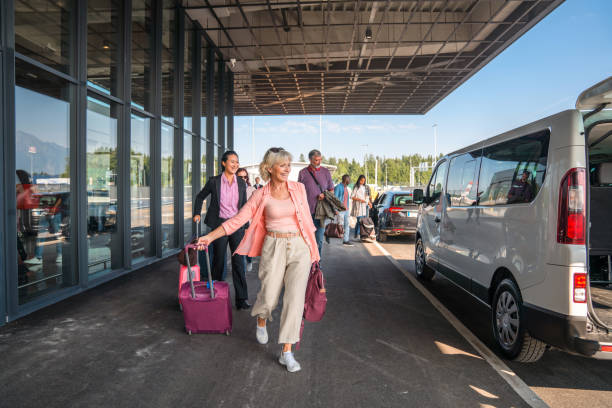
While the train connections to London are pretty impressive, driving around the county can really test your patience. The road network is extensive, but it often struggles to handle the sheer number of residents who depend on it. If you’re running errands or heading to appointments, you’ll need to plan ahead, especially if you have a flight to catch. For those traveling to Luton or Stansted, services like Hemel Hempstead Airport Taxis offer a hassle-free way to navigate the busy main roads and ensure you arrive on time, avoiding the stress of long-term parking and unfamiliar routes.
The condition of these roads is a hot topic. Hertfordshire has been labeled one of the worst areas in the UK for highway repairs, with around 12,650 potholes reported. Drivers frequently file claims for vehicle damage caused by these road issues, which have become a significant concern in local elections. The mix of congested routes and poorly maintained roads turns commuting by car into a daily struggle for many.
Additionally, public transport options between towns and villages can be surprisingly sparse. If you live outside the main train station areas, bus services tend to be infrequent and unreliable, especially in the evenings and on weekends, which only deepens the reliance on cars. While larger towns offer nightlife and cultural activities, those in more rural areas often feel cut off without their own means of transport.
Development and Character: A Balancing Act
There’s a rising worry among locals that what makes Hertfordshire such a great place to live is at risk. The demand for more housing to keep up with the steady stream of Londoners moving out is really high. But with much of the land safeguarded by Green Belt rules, there’s only so much space available. People are concerned that the clear lines between towns and the countryside are starting to fade, which could lead to a “massive sprawl” that threatens the unique charm of our historic market towns. This struggle between wanting to preserve what we have and the need for development creates a tricky situation for newcomers. You might choose to settle in a place for its quaint “village feel,” only to discover that a new housing development is popping up on the farmland next door just a few years later. This ongoing tug-of-war between growth and keeping that rural appeal is a constant theme in local politics and community conversations.
Also read: Is There a Ferry from the UK to Canada
Verdict: Is It Worth It?
So, what’s it really like to live in Hertfordshire? It’s a mix of experiences. One moment, you could be surrounded by a stunning field of bluebells, and just a few hours later, you’re sitting at a desk in the bustling City of London. You’ve got access to some of the top schools in the country, but that precious “family time” can easily get swallowed up by traffic jams caused by the less-than-ideal roads.
The downsides are pretty evident: a tough property market, a heavy reliance on cars, aging infrastructure, and the ongoing pressure of new developments. Living here comes at a cost—both in your wallet and your patience.
For those who can handle these hurdles, the perks include a tight-knit community, gorgeous landscapes, and a safe place to raise kids. But let’s be real—it’s not a perfect paradise. You’re paying a premium for a taste of the good life, and you’ll need to put up with the traffic and potholes to enjoy it. If you’re thinking about making the move, go for the schools and the beautiful scenery, but be ready to face the daily commute and the expenses that come with holding onto that green belt dream.



Responses