
Navigating the Lanes: A Guide for Americans Driving on Rural British Roads

Navigating the Lanes: A Guide for Americans Driving on Rural British Roads: A Complete Guide
Driving on the opposite side of the road is just the tip of the iceberg. For Americans used to wide highways, spacious shoulders, and a neat grid of streets, hitting the rural roads in Britain can feel like stepping into a whole new realm—one filled with ancient hedgerows, rolling hills, and delightfully narrow lanes. This guide is here to arm you with the key insights you need to navigate the British countryside with confidence and safety while behind the wheel.
Understanding the Fundamental Difference: It’s Not Just About Side
One of the most noticeable changes you’ll encounter is driving on the left side of the road. This can take some getting used to, especially at quiet intersections and roundabouts where your instincts might lead you to look the wrong way. A handy tip is to keep reminding yourself that “left is tight.” Just remember, the driver’s seat is always positioned towards the center of the road. This also applies to your controls; gear shifts will be on your left, while the indicator stalks are typically on the right. More importantly, the nature of the roads themselves shifts dramatically. Many rural British roads aren’t designed for speed; they’re historical paths that meander around ancient property lines and natural landscapes. So, be prepared for constant curves, limited visibility, and a noticeable absence of the straight roads you might be accustomed to. If you’ve just landed after a long flight and are picking up a car from a regional hub like Luton Airport to head into the Hertfordshire countryside, you’ll feel this difference right away. In fact, if you chose a pre-booked transfer, your driver from Taxis in Hemel Hempstead would skillfully showcase this smooth, central positioning in the lane—a technique you’ll want to mimic.
Mastering the Single-Track Lane with Passing Places
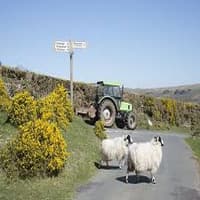
This might just be the ultimate challenge for any American driver. Single-track roads are exactly what they sound like: one lane that accommodates traffic in both directions. You’ll find them quite often in rural areas, particularly in places like Scotland, Wales, and the South West of England. The secret to navigating these roads safely lies in knowing about the “passing places.” These are wider sections of the road, usually marked with a white diamond sign or just a gravel pull-in. The rule is pretty straightforward: the vehicle closest to the passing place on their left should pull in to let oncoming traffic go by. If the passing place is on your right, just stop opposite it and let the other car use it. It’s important never to block a passing place. Always yield to vehicles coming uphill, keep an eye on your mirrors, and be ready to reverse politely to the last spot if needed.
Decoding the British Road Signage System
British road signs are a unique blend of symbols and diagrams, featuring fewer words compared to their American counterparts. Here are some key signs you should be familiar with:
- National Speed Limit Sign (a white circle with a black diagonal stripe): On single-carriageway roads (one lane in each direction), this indicates a maximum speed of 60 mph, but keep in mind that this is just a guideline. The road conditions might make this speed unsafe. On dual carriageways, the limit is 70 mph.
- Give Way (an inverted triangle): This is similar to a Yield sign. If you see a dashed line at the junction, it means you need to yield to traffic on the main road.
- Double White Lines: If the line closest to you is solid, you must not cross or straddle it to overtake. This rule is strictly enforced.
- Horse & Rider, Farm Vehicle, and Sheep Signs: Take these signs seriously, as you’re likely to encounter them on the road.
The Art of the Roundabout (Traffic Circle)
Roundabouts are popping up everywhere, from big, bustling multi-lane ones to those cute little “mini-roundabouts” you see at intersections. The key rule to remember? Always give way to the right. That means if there’s traffic already on the roundabout (coming from your right), they have the right of way. So, take a quick glance to your right, signal your intentions, and merge in when you spot a safe gap. Don’t forget to signal left just as you pass the exit before the one you want to take. And for those mini-roundabouts, make sure to go around the central marker instead of just driving straight over it!
Confronting Unique Hazards: Hedges, Walls, and Wildlife
Rural roads often have more than just grassy verges; they’re lined with solid features like stone walls up North, thick hedgerows in the South West, and earth banks in various other spots. There’s no room for error when it comes to drifting. These elements can create tricky “blind bends” and really limit your sightlines. Always make sure you can stop within the distance you can see is clear. Plus, keep an eye out for wildlife—whether it’s pheasants suddenly taking off or deer crossing the road at dusk. Drive at a speed that lets you react quickly if you need to stop.
Embracing Courteous Driving and Local Etiquette
Driving in the British countryside is all about being courteous. A simple wave of thanks when someone lets you go is just how things are done. If you want to signal to oncoming drivers that you’re yielding, a quick flash of your headlights works wonders. On those narrow lanes where there are no markings, it’s best to slow down and give some space when passing parked cars or cyclists. And if you find yourself behind a slower agricultural vehicle, just be patient—they’ll pull over when they can. Keep in mind that you’re a guest on these often-historic roads. If you’ve just landed from an international flight and maybe took an Airport Taxi Hemel Hempstead to avoid the stress of driving right away, take a moment to watch how the locals navigate these situations—it’s truly a lesson in road-sharing etiquette.
Speed and Space: Rethinking Your Proportions
Forget everything you know about American distances. Here, things might seem closer, but don’t be fooled—travel times can stretch out thanks to those twisty roads. A 20-mile drive? That could easily take you 45 minutes. If you’re thinking of renting a big SUV, you might want to reconsider; it could feel a bit overwhelming. Opt for the smallest car you can find instead; it’ll make navigating tight spots and parking a breeze. And remember, keep at least a two-second gap between you and the car ahead, especially when the roads are wet.
Practical Preparation Checklist Before You Go
Driving in Great Britain can be a fantastic adventure, but there are a few things to keep in mind. First off, you can use your valid US license for up to 12 months, but make sure your rental car comes with comprehensive insurance and check what the excess fee is.
Before you hit the road, take a moment to get familiar with the car. Sit in it while it’s parked and find the lights, wipers, hazard lights, and gear shift. Trust me, you don’t want to accidentally turn on the wipers when you’re trying to signal at your first roundabout!
When planning your route, it’s a good idea to use a Sat-Nav (GPS), but consider setting it to avoid motorways every now and then to enjoy the beautiful countryside. And don’t forget to have a physical map handy in case you find yourself in an area with a weak signal.
Keep an eye on your fuel, too. Petrol stations can be few and far between in remote areas, so try not to let your tank dip below a quarter full. Also, remember that fuel is sold in litres, not gallons, and it tends to be pricier than what you might be used to.
As for parking, be sure to look for signs. “Double yellow” lines mean no parking at any time, while “single yellow” lines indicate no parking during certain hours, which will be detailed on a nearby sign.
Driving on rural British roads isn’t just about getting from point A to point B; it’s about enjoying the journey. It requires your full attention, rewards your patience, and opens up access to some of the most stunning landscapes and charming villages you’ll ever encounter. So take it slow, embrace the adventure, and remember: keep left, give way to the right, and when in doubt, a friendly wave can work wonders. Safe travels!



Responses