
Beyond the Bubble: Unpacking the “Why” Behind Canberra’s Boring Reputation

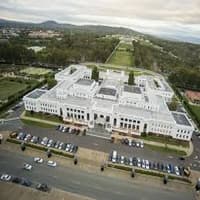
Beyond the Bubble: Unpacking the “Why” Behind Canberra’s Boring Reputation: A Complete Guide
When you think about iconic cities in the UK, you probably picture the lively streets of London’s West End, the buzzing music scene in Manchester, or the stunning historic castles in Edinburgh. But what about Canberra? It might leave some scratching their heads, wondering why the Australian capital is even in the same conversation as the UK. Yet, this comparison often highlights a certain type of city experience—one that’s carefully planned, safe, and sometimes, a bit too quiet for some tastes. For folks in Hertfordshire, who are just a quick train ride away from the vibrant chaos of London, the idea of a city that quiets down by 9 PM can feel quite strange. But for those seeking a break from the city hustle, getting to Canberra smoothly is essential; you might find yourself booking Cabs In Hemel to the airport, only to arrive in a city that feels like a world away from London’s frenetic energy.
Canberra didn’t emerge from a medieval settlement or an industrial boom. Instead, it was a compromise—a carefully crafted answer to the fierce competition between Sydney and Melbourne after Australia became a federation in 1901. This backstory is what gives Canberra its so-called “boring” reputation. Unlike cities that have evolved organically over centuries, with their winding streets and rich histories, Canberra was designed on paper before it ever became a real city. As one early observer from Punch magazine pointed out, living in a city without a plan has its downsides, but those can’t hold a candle to the challenges of living in a place that’s all plan and no city. This somewhat artificial vibe can leave visitors feeling like they’re wandering through a massive administrative hub rather than a vibrant, lively metropolis.

The Architecture of Sleep: Designed for Governance, Not Nightlife
The main reason Canberra has a reputation for being quiet lies in its very design. Crafted by American architects Walter Burley Griffin and Marion Mahony Griffin, it was envisioned as a garden city, featuring expansive geometric layouts, lush green spaces, and distinct areas designated for specific purposes. There’s a government district, a shopping area, and plenty of suburban neighborhoods in between. This setup, which heavily relies on car travel and separates residential from commercial zones, means that when the parliamentary workers head home, the city center can feel eerily empty. Unlike the terraced homes you find in the UK, where a corner shop or pub is just a short walk away, getting around in Canberra requires a bit more planning. You won’t just stumble upon a hidden gem; you’ll need to drive to find it.
Additionally, the city’s relatively young age—established in 1913—means it lacks the rich, textured history that gives European and British cities their visual charm. Irish writer Laura Kennedy pointed out that while life in Canberra is “convenient and comfortable” with “so little friction,” she also misses the “sense of age” that comes with Dublin’s centuries-old buildings. For someone from the UK, where a “new” building might date back to the 1960s, Canberra’s sleek lines and modern facades can come off as a bit sterile. This absence of historical layers means the city misses out on the narrow alleyways and repurposed industrial spaces that often breathe life into the bohemian culture found in other towns.
A City Asleep or Just Introverted?
To label Canberra as boring might just be a mix-up between “quiet” and “uninteresting.” Many people believe the city has a more reserved personality—one observer even called it a “very introvert-oriented city.” If your idea of excitement revolves around lively nightclubs and gritty streets, then Canberra might not be your cup of tea. But if you shift your perspective to focus on quality of life, the story takes a different turn. The city consistently scores high on sustainability and livability, giving its residents access to nature that many other capitals can only dream about. It’s not unusual to spot kangaroos hopping down hills just 5km from the city center, a surprising sight for anyone used to the urban foxes of London.
However, first impressions can be tough to shake. For visitors arriving after a long flight, the initial view can be quite a shock. After catching an Airport Taxi Hemel Hempstead to Luton or Heathrow for the first leg of your journey, you might expect a grand, bustling entrance into the Australian capital. Instead, you’re met with wide, quiet streets and a skyline that one critic recently described as “unappealing,” with too many buildings that look “same-ish” in height and style. Even local journalists have started to voice their concerns about the city’s appearance, pointing out that while Sydney and Melbourne can pull off “tacky glamour” thanks to their history, Canberra has “no right to look this shabby,” highlighting faded road signs and neglected facades that seem to reflect “sheer neglect” rather than a sense of heritage.
The Glow-Up You Might Miss
Canberra might have a reputation for being a bit dull, but it’s actually going through some exciting changes—if you take the time to look a little deeper. The suburbs that used to be home to just public servants are now bursting with their own unique vibes. Take Braddon, for example; it was once an industrial area that people avoided, but now it’s alive with trendy boutiques and fantastic restaurants like Corella. Fyshwick, which used to be known for its adult shops, has transformed into a hotspot for fresh food markets. If you’re up for renting a car and exploring, you’ll discover that the city has so much more to offer than its “boring” label suggests.
On top of that, Canberra is finally starting to honor its often-overlooked history, especially the women who played a crucial role in its development. For years, the city’s design was credited solely to Walter Burley Griffin, but his wife, Marion Mahony Griffin, was an architect in her own right who claimed she was “the genius” behind the vision. It wasn’t until 2013 that a viewpoint from Mt. Ainslie was named after her. This growing recognition of the city’s rich history is reflected in its cultural institutions, which are truly world-class. The National Gallery and the National Library provide hours of fascinating engagement, offering the kind of intellectual stimulation that the streets sometimes lack.
Also read: Unveiling London’s Best Kept Secret: Where to Find the Cheapest Accommodation Near Wembley
Conclusion: Is It Boring or Just Subtle?
So, what’s the deal with Canberra being called the “most boring” city? It all boils down to its backstory as a political compromise, its car-centric design, the absence of ancient landmarks, and a lifestyle that leans more towards comfort than chaos. This city doesn’t shout for your attention; instead, it invites you to take a seat, enjoy a leisurely coffee, and appreciate the surprisingly smooth traffic. For travelers from the UK, used to cities layered with history over centuries, Canberra might seem like an intriguing yet empty stage—a stunning, well-structured theater waiting for a performance that never kicks off. However, for those who linger a bit longer, this “boring” capital unveils a surprising depth, where the true thrill isn’t found in nightlife, but rather in the richness of the daylight.




Responses