
Beyond the Headlines: Which is the Worst Town in England in 2026?

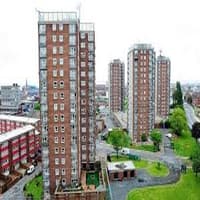
Beyond the Headlines: Which is the Worst Town in England in 2026?: A Complete Guide
The discussion about which town can claim the title of “worst in England” is a pretty subjective and often fiery one, packed with personal stories and strong regional pride. Yet, from time to time, a clear ranking pops up that pulls together data on culture, architecture, and overall appeal to create an official—albeit contentious—list. This year, a fresh survey from The Telegraph has stirred things up in the Home Counties by naming one town in Hertfordshire as the worst in the country. Whether you’re a local looking for a weekend getaway or a tourist trying to make sense of these debated spots, knowing the transport options is crucial. For example, if you need to hop between these commuter areas, reliable Cabs In Hemel provide an essential connection to the places that have surprisingly landed on these unfavorable lists.
The dubious honor of “worst town” for 2026 has been awarded to Watford, which barely scraped by with a disappointing score of 0.5 out of 10. Travel expert Chris Moss points out that Watford is struggling with its identity, being labeled either the “Gateway to London” or the “last exit to the mundane.” The report takes aim at the town center, which has been overshadowed by the Harlequin Centre—a massive shopping complex that has changed its name more times than anyone can count—from Intu to Atria and back again—yet still fails to captivate visitors. It’s a clear reminder that when retail takes over, it often comes at the expense of historical charm and the unique character of the community.
The Bottom of the Barrel: The UK’s Lowest-Rated Towns
Watford wasn’t the only one sitting in the naughty corner. It shared its dismal score of 0.5 with Crawley, located in West Sussex. The Telegraph’s review of Crawley pointed out its “boxy housing” and rather forgettable modern buildings. Even though it’s conveniently nestled between London and Brighton and close to Gatwick Airport, the town struggles to showcase the charming aesthetics that other parts of Sussex boast.
Just a notch above, Luton earned the title of the third-worst town with a score of 1/10. Luton’s troubles are well-known; once famous for the Vauxhall plant that recently shut down, it’s now more recognized for its airport and its grand carnival. However, a closer look at Luton reveals a community that feels neglected, grappling with crime and a shortage of jobs. In fact, the situation has become so dire that even popular high-street spots like Greggs have had to put up security measures to deter theft. This sense of decline paints a much bleaker picture than any ranking could ever convey.
Further down the list, towns like Oldham (1.5), Basildon and Basingstoke (2), and Telford (2.5) complete the top ten worst, often criticized for their “concrete” looks and lack of cultural richness. Slough, which has been humorously mocked in poetry and on TV, managed to score a slightly better 3.5, suggesting that maybe it’s not the “bog” it was once thought to be, especially when compared to its newer competitors at the bottom.
The Commuter’s Conundrum: Navigating the “Worst” Towns
What’s really interesting about the bottom of this list is that many of these places—like Watford, Luton, and Crawley—are actually key commuter spots. They provide relatively quick access to London, but it seems like that convenience comes at the expense of local culture and overall satisfaction. This sets up a bit of a dilemma for both residents and visitors: how do you effectively navigate areas that are sprawling, reliant on cars, and lack that centralized charm we often crave?
For those arriving at Luton Airport or just passing through these lower-ranked towns, the private hire industry becomes crucial. Unlike the lively, walkable city centers of higher-ranked spots like Cheltenham or Blackpool, these towns usually require point-to-point transport to get to specific retail parks or neighborhoods. That’s where specialized services step in. If you’re landing at a major airport and need to connect to the Hertfordshire commuter belt, booking a dependable Airport Taxi Hemel Hempstead service can make your journey a lot smoother, helping you avoid the confusing one-way systems and busy high streets that often drag down these towns’ livability ratings.
What Makes a Town the “Worst”?
The criteria for these rankings go beyond just looks. The Telegraph took into account things like culture, history, architecture, attractions, and overall “appeal.” For instance, towns like Watford lost points because they traded in their historic market town vibe for big shopping centers back in the early 90s. On the other hand, towns like Blackpool shone bright with a score of 9.5/10. Even with its aging infrastructure and some “back streets” that might not be for the faint-hearted, Blackpool was praised for its unique character, its iconic Tower, and that classic British seaside charm—showing that being genuine often beats out shiny modernity.
Silver Linings: Finding the Good in the “Worst”
Despite the not-so-flattering labels, every town has its loyal supporters and hidden treasures. Take Watford, often dubbed the worst town; it’s actually the gateway to the Warner Bros. Studio Tour (The Making of Harry Potter), which happens to be one of the UK’s top tourist spots. And then there’s Luton, which, despite its Greggs-related security quirks, is in the midst of a huge £1.7 billion makeover. This includes a brand-new 25,000-seat stadium for Luton Town Football Club and the reopening of the River Lea at Hat Gardens. Similarly, places like Peacehaven and Canvey Island may not score high in quality of life rankings, but they boast beautiful fossil-hunting beaches and a serene coastal vibe that attract day-trippers.
Also read: Beyond the Bubble: Unpacking the “Why” Behind Canberra’s Boring Reputation
Conclusion
So, what’s the deal with the worst town in England? According to the 2026 data, that not-so-coveted title goes to Watford. But let’s be real—“worst” is pretty subjective. These towns often play a crucial role in the UK’s economy, serving as transport hubs, retail hotspots, and commuter havens that keep London thriving. Sure, they might not have the charming scenery of the Cotswolds or the lively vibe of Manchester, but they’re all about transformation. Whether you’re in town for the Harry Potter Studio Tour, catching a flight, or just passing through, don’t forget that even the most “ordinary” places have their own unique stories. And when train strikes happen or the roads get a bit tricky, it’s the local taxi services that step up as the unsung heroes, keeping these towns connected.




Responses